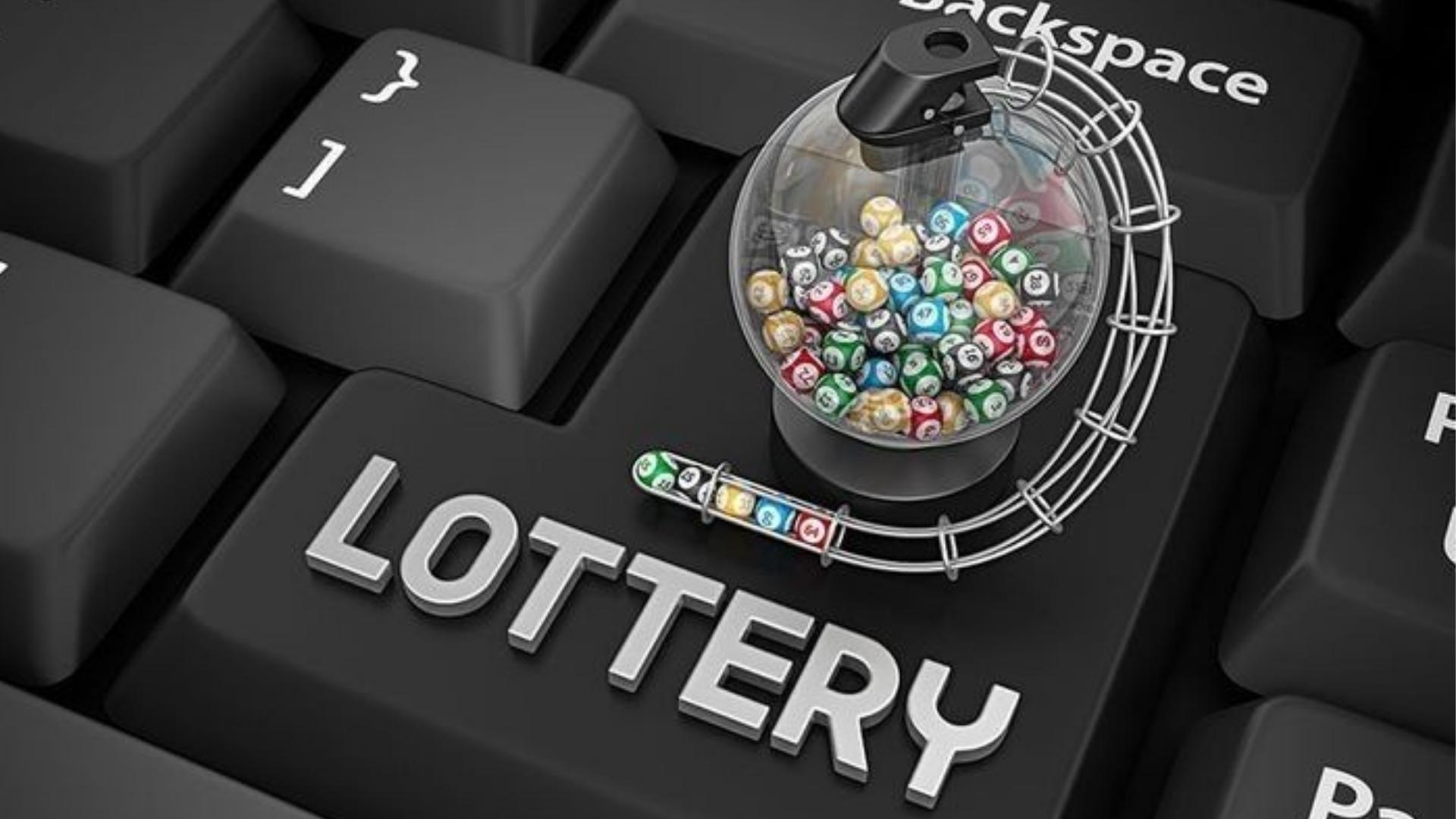
Millions of people participate in lottery games each week with hopes of landing a life-changing jackpot. However, the true mathematical odds behind these popular drawings often remain misunderstood by casual players. Exploring basic probability concepts can help clear up misconceptions about your overall chances of winning.
The Core Mathematics of Combination Odds
Lottery probability relies on mathematical combinations, which determine how many possible ways a set of numbers can be selected. When a game requires matching five main numbers plus a bonus digit, the total number of unique combinations reaches into the hundreds of millions. Because every single ticket selection represents just one outcome out of this massive pool, the odds remain steep for any individual entry.
Smaller localized drawings feature smaller number pools, resulting in significantly higher odds of winning a prize. While the payouts for these regional games are smaller, the mathematical probability of matching all numbers is far more favorable. Understanding these mathematical distinctions allows players to evaluate different game formats accurately.
Common Misconceptions About Lucky Trends
A widespread belief among participants is that certain numbers are overdue to appear based on previous drawing histories. In reality, modern mechanical draw machines and digital random number generators operate with complete independence for every event. Past outcomes have absolutely zero statistical impact on future drawings, meaning every number combination retains identical odds every time.
Some players also attempt to use mathematical patterns or statistical software to predict upcoming results. While analyzing entertainment options via an m88 casino login register portal offers structured gaming experiences, no formula can alter the fundamental randomness of a traditional lottery draw. Recognizing that every drawing is an independent event helps maintain realistic expectations.
Secondary Prizes and Overall Odds
While headline jackpots receive the most media attention, most lottery structures include several secondary prize tiers. Matching a subset of the winning numbers yields smaller cash payouts with much higher probabilities. Reviewing the overall odds of winning any prize provides a more complete picture than focusing exclusively on the grand prize.
The overall odds reflect your chances of landing any payout tier, including minor lower-level returns. Games often advertise overall winning odds ranging from 1 in 10 to 1 in 40 depending on the specific prize structure. Evaluating these lower tiers helps participants understand the full spectrum of potential outcomes.
Smart Budgeting and Responsible Gaming
Purchasing multiple tickets increases your total coverage of possible combinations, but the proportional improvement remains incredibly minor. Buying ten tickets in a draw with tens of millions of potential outcomes barely changes your overall mathematical probability. Because of this, purchasing extra tickets should be viewed as additional entertainment rather than a reliable strategy.
Approaching the lottery with a clear financial boundary ensures that playing remains an enjoyable hobby. Tracking your spending and treating ticket purchases purely as budget-friendly recreation prevents unnecessary financial risk. Understanding the underlying probability ultimately empowers players to make informed, sensible choices.